Quick answer
Should you use an eSIM or international roaming?
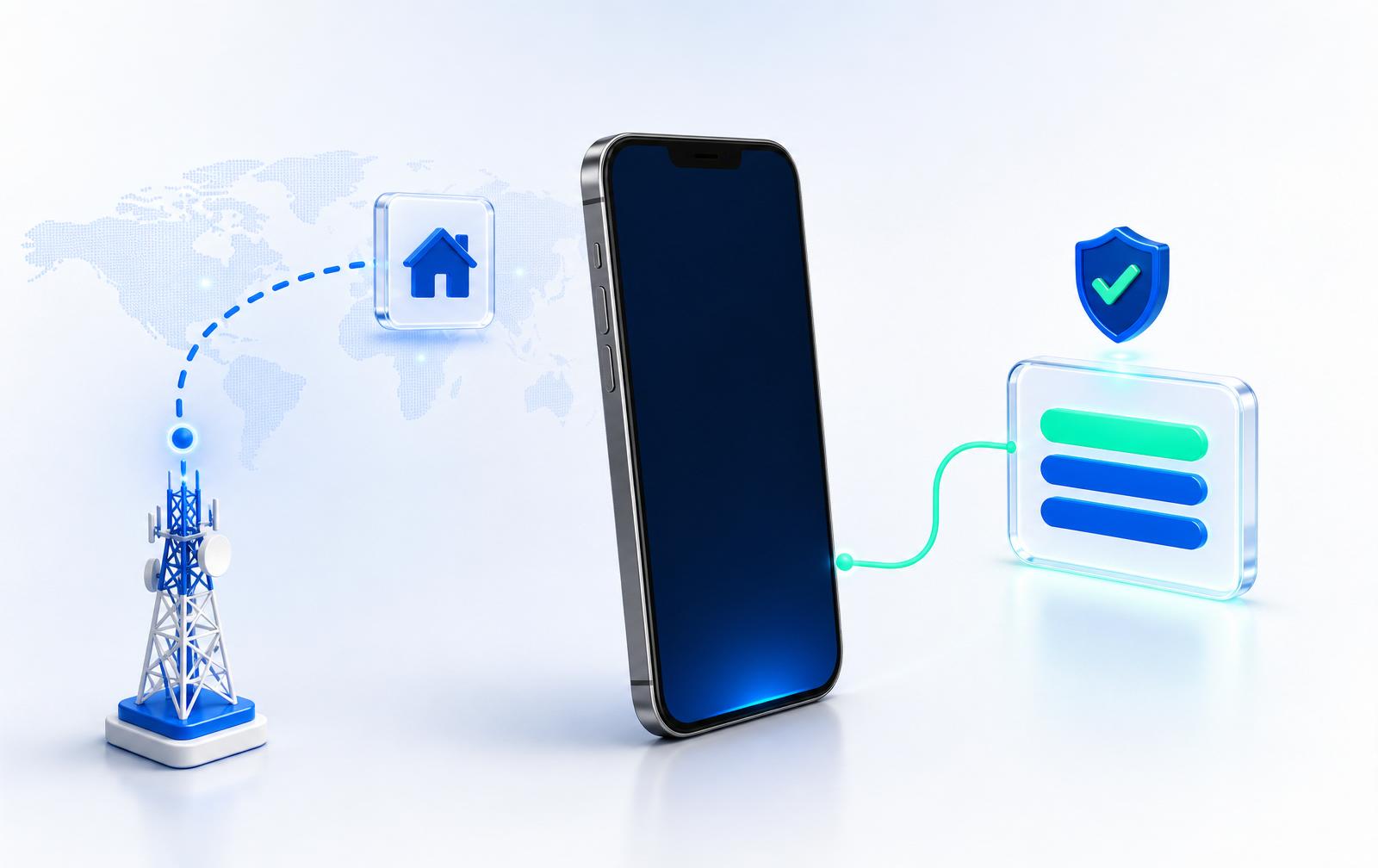
Use roaming when your home plan already includes the destination at no extra cost or when a short trip makes convenience more important than price. Use a travel eSIM when roaming costs extra, daily passes become expensive, or you want a separate prepaid data allowance with predictable spending. On compatible phones, you can normally keep your home line active for calls and messages while using the travel eSIM for mobile data.
Check your carrier before deciding. Included roaming can be the better choice; paid roaming often becomes less attractive as the trip gets longer.
Best choice at a glance
Start with what your carrier includes
- Included roaming: compare the allowance
- Paid daily roaming: multiply by trip length
- Prepaid eSIM: fixed data allowance
- Multi-country trip: check regional coverage
Keep your normal number
Use one line for data and one for calls
- Home line can remain active
- Travel eSIM handles mobile data
- Carrier charges may still apply to the home line
- Disable automatic mobile-data switching
What is the difference between roaming and a travel eSIM?
Both options connect your phone to a mobile network abroad. The main difference is who provides the data plan and how the cost is controlled.
International roaming
Your home provider continues serving your phone
- The normal SIM or eSIM remains the active mobile line.
- The home provider connects through a partner network abroad.
- Usage is charged according to the existing plan, roaming allowance or travel pass.
- Calls, texts and data remain tied to the home provider.
- Setup is usually minimal when roaming is already enabled.
Travel eSIM
A separate prepaid data plan handles the connection
- A travel eSIM profile is installed and selected for mobile data. With eSIMbundle, the profile is reusable, so future data bundles can be added without installing a new eSIM each time.
- The travel eSIM is selected for mobile data.
- The normal home line can remain available on compatible dual-SIM devices.
- The traveller buys a defined data allowance and validity period.
- Calls and ordinary SMS generally remain on the home line unless the travel plan specifically includes them.
eSIM versus roaming at a glance
The table below compares how each option handles mobile data, costs, calls, texts, setup and VPN access. Use the roaming checker for a carrier-specific answer.
International roaming: Uses the existing home mobile plan, roaming allowance or travel pass.
eSIMbundle: Adds a separate prepaid travel-data bundle with VPN access included at no extra cost.
| Capability | International roaming | eSIMbundle |
|---|---|---|
| Mobile data abroad | Uses the home provider’s roaming plan | Uses a prepaid travel data bundle |
| Upfront data cost | Depends on the home plan or travel pass | Fixed before use |
| Existing phone number | Remains active | Can remain active on the home line |
| Calls and SMS | Continue through the home provider | Continue through the home line |
| Separate data allowance | Depends on the roaming plan | Yes |
| Multi-country data options | Depends on the provider | Country and regional bundles |
| eSIM-compatible unlocked phone required | No | Yes |
| Installation before travel | Usually not required | Recommended |
| VPN access included | No | Yes |
| Guaranteed cheapest option | No | No |
The best financial choice depends on the home plan, destination, trip duration and expected data use. Use the roaming checker for a carrier-specific comparison.
When international roaming is the better choice
A travel eSIM is not automatically the best option. Roaming can be simpler or cheaper when the home plan already covers the trip.
Included roaming
The destination is already included in the home plan without an additional daily charge.
Very short trip
The traveller needs little data and values immediate convenience more than potential savings.
Work pays the bill
A company plan covers roaming and requires the normal mobile line to remain the primary connection.
Voice and SMS are essential
The traveller depends heavily on ordinary calls and SMS and does not want to manage separate voice and data lines.
Device limitation
The phone does not support eSIM, is carrier-locked or cannot use the required dual-SIM setup.
Existing roaming allowance is generous
The home plan already provides enough data for the trip under acceptable terms.
European roaming can change the answer
Home mobile plans inside the European roaming area can behave differently from other regions. It is worth checking before adding a second plan.
- Travellers with a qualifying home plan may have domestic-rate roaming across covered European destinations.
- Fair-use limits can still apply.
- The home provider may limit roaming data even when calls and texts are covered.
- Countries that look geographically European are not automatically covered by every home plan.
- A regional eSIM may still be useful for travellers coming from outside the covered roaming area, exceeding fair-use data, or visiting countries outside their plan.
Before buying another plan, check whether your existing mobile contract already includes the destination and enough data for the trip.
When a travel eSIM is the better choice
A prepaid travel eSIM often works better when roaming costs stack up or when a bundle-based allowance is easier to manage.
Paid daily roaming adds up
A daily roaming pass can become expensive when it is charged on every day the phone uses data.
The trip lasts longer
A prepaid data bundle can offer better spending control for a one-week, two-week or longer trip.
Roaming data is limited
The existing plan includes too little high-speed data for maps, messaging, work or entertainment.
Several countries are involved
A regional bundle can avoid buying separate roaming passes for each destination, depending on coverage.
Predictable spending matters
The traveller wants to pay for a defined data allowance before departure rather than wait for the home-provider bill.
VPN access is useful
eSIMbundle includes VPN access at no extra cost for mobile data and supported Wi-Fi connections. International roaming does not include a separate VPN service.
Check your carrier before you decide
Roaming prices and included destinations vary too much for one static article to give every traveller an accurate answer. The eSIMbundle roaming checker uses the selected home carrier, destination and trip length to compare the published roaming position with an available prepaid eSIMbundle option.
Interactive comparison
Roaming vs eSIM Checker
Select your carrier, destination and trip length to see whether roaming appears included, expensive or better replaced with prepaid travel data.
The checker uses a 1GB-per-day planning benchmark and displays the source used for supported carriers.
Can you keep your normal phone number with a travel eSIM?
On supported dual-SIM phones, the normal home line and travel eSIM can be active together. The travel eSIM is selected for mobile data while the home line remains available for calls, messages and verification.
- The travel eSIM can be selected for mobile data.
- The home line can remain available for calls, SMS and account verification.
- Charges from the home provider may still apply when making or answering calls, sending messages or allowing that line to use roaming data.
- Device and provider support vary.
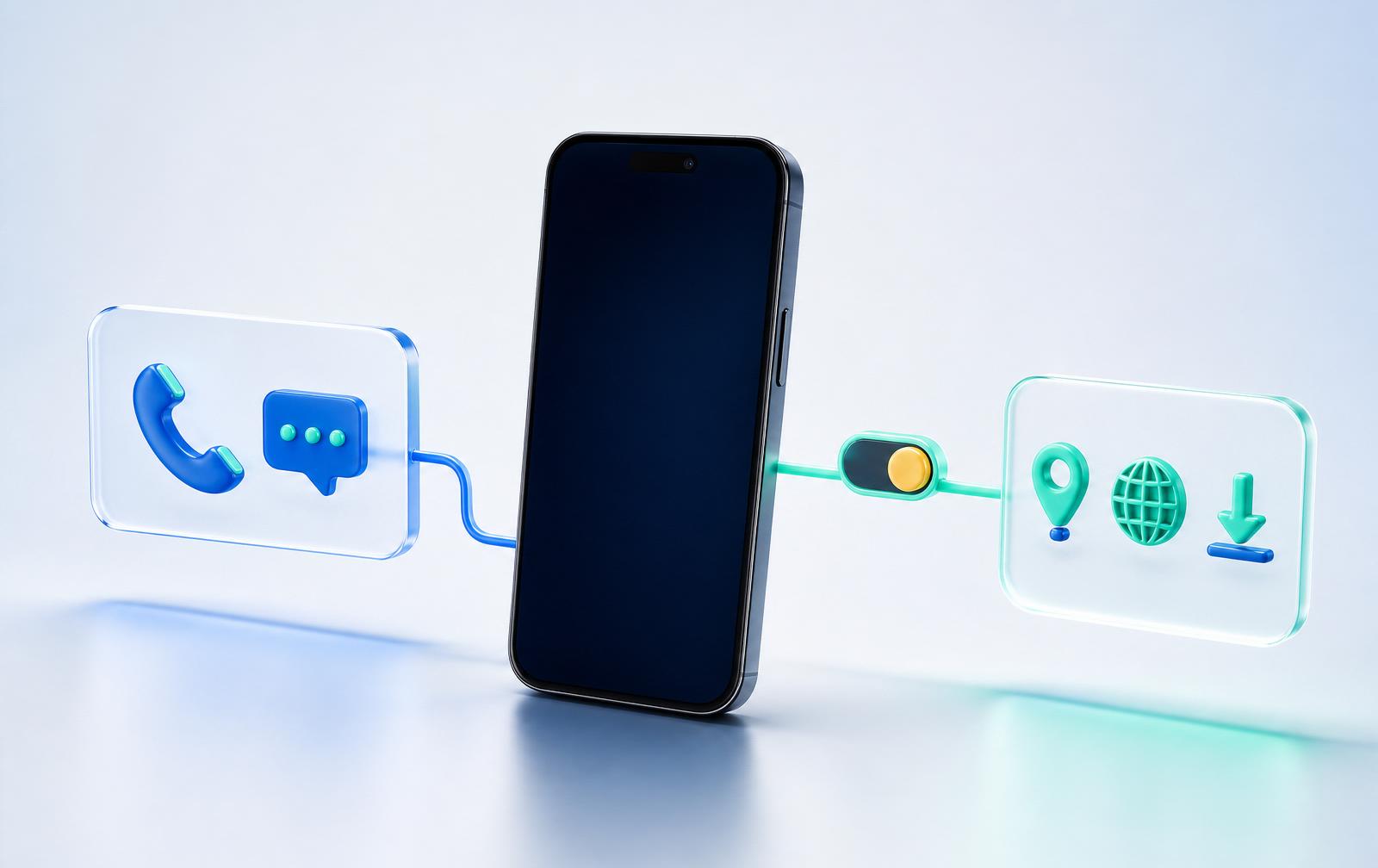
- Home line
- calls and messages
- Travel eSIM
- mobile data
- Mobile-data switching
- off
Why might data roaming still need to be on for a travel eSIM?
The word ‘roaming’ describes two different things. Separating them prevents accidental home-line data use.
Carrier roaming product
Using the home mobile provider’s plan while connected to a foreign partner network.
Phone data-roaming setting
A device permission that allows a selected SIM or eSIM line to use partner networks.
- Some travel eSIMs connect through roaming-partner networks.
- Therefore, data roaming may need to be enabled specifically for the travel eSIM line.
- That does not mean the home SIM should also be allowed to use roaming data.
- The traveller should select the travel eSIM for mobile data.
- Automatic mobile-data switching should normally be disabled to reduce accidental home-line data usage.
Which option works best on different trips?
Five practical situations that show how the same decision can go different ways.
Included roaming
A three-day trip covered by the home plan
- The destination is included without an extra daily fee.
- The existing data allowance is enough.
- No additional setup is required.
Roaming is probably the simplest choice.
Paid roaming
A two-week holiday with a daily roaming pass
- The pass is charged on each day mobile data is used.
- The total increases with the trip length.
- A prepaid travel eSIM provides a fixed allowance and price.
Compare the full two-week roaming cost with the prepaid eSIM price.
Multi-country
A trip through several countries
- The home provider may treat destinations differently.
- Separate roaming zones or passes can complicate the price.
- A regional eSIM may cover several destinations under one bundle.
Check the complete regional coverage before choosing either option.
Keep your number
You need banking texts and your normal phone number
- Keep the home line active for calls and messages.
- Select the travel eSIM for mobile data.
- Prevent the home line from taking over mobile data automatically.
Dual SIM lets the two lines perform different jobs.
Device limitation
Your phone is locked or does not support eSIM
- A travel eSIM cannot be installed on an incompatible or locked device.
- The home provider’s roaming may remain the practical option.
- A physical local SIM may be another alternative.
Check compatibility before buying a travel eSIM.
Compare the complete trip cost, not the daily headline
The cheapest headline is not always the cheapest trip. Compare like for like across the full stay.
- A roaming pass may appear inexpensive per day but must be multiplied by the number of chargeable days.
- Included roaming may cost nothing extra but can have fair-use or high-speed data limits.
- Pay-per-use roaming can be difficult to predict.
- A travel eSIM has an upfront data allowance and validity period.
- Buying far more data than needed can also waste money.
- The cheapest option is not automatically the best if it lacks enough data or destination coverage.
A practical decision sequence
- Check whether the destination is included.
- Check the roaming data allowance.
- Calculate the complete trip cost.
- Estimate the data needed.
- Compare the result with a suitable travel eSIM bundle.
- Check coverage and validity before buying.
Is an eSIM faster than roaming?
Not automatically. Both roaming and travel eSIMs connect through available mobile networks. Speed depends on the destination network, coverage, congestion, device bands, network priority and the specific plan.
- An eSIM is a SIM format, not a speed class.
- A travel eSIM can use one or more partner networks depending on the product.
- Home-carrier roaming may use different partners.
- 5G availability does not guarantee consistently higher real-world speed.
- Network access can vary by destination and plan.
- Coverage information should be checked before buying.
Choose roaming or eSIM in six questions
Use these questions as a quick frame; the checker resolves the specifics for your carrier and destination.
- Does the home plan include the destination?
- Is the included data enough?
- What is the complete roaming cost for the whole trip?
- Does the phone support an unlocked eSIM?
- Do you need the normal number active?
- Are you travelling to one country or several?
Roaming is likely better
- Included at no extra cost
- Enough data
- Very short trip
- Device does not support eSIM
- Employer plan covers roaming
Travel eSIM is likely better
- Daily or pay-per-use roaming charges
- Longer trip
- More predictable spending required
- Larger data need
- Several covered destinations
- VPN access wanted
Use the checker when the answer depends on the exact carrier and destination.
Sources and further reading
Official device and roaming references used while writing this guide. Carrier prices change frequently, so use the checker for the current position.
Understand how the wider internet experience changes abroad →
Prepaid travel data
Compare roaming, then choose your destination
Check what your carrier includes, compare the complete trip cost and choose a prepaid eSIMbundle plan when it gives you the better travel-data option. VPN access is included at no extra cost.
Frequently asked questions
Is an eSIM cheaper than international roaming?
It depends on the home plan, destination, trip length and data use. An included roaming allowance can be cheaper, while paid daily roaming or pay-per-use data can make a prepaid travel eSIM more attractive.
Is an eSIM the same as roaming?
No. International roaming uses the home provider’s plan abroad. A travel eSIM adds a separate mobile-data plan that can be selected instead of the home line for data.
Can I keep my normal phone number with a travel eSIM?
Yes, on compatible dual-SIM phones. The home line can remain active for calls and messages while the travel eSIM is selected for mobile data.
Can I receive verification texts while using a travel eSIM?
The home line can remain available for SMS on supported dual-SIM devices. Delivery still depends on the home provider, account, signal and roaming availability.
Should data roaming be on when using a travel eSIM?
Some travel eSIMs require data roaming to be enabled on the travel eSIM line because they use partner networks. Keep the travel eSIM selected for mobile data and check the home line separately.
Is roaming free in Europe?
Qualifying home plans can include domestic-rate roaming across covered European destinations, subject to the provider’s plan and fair-use limits. Check the exact countries and allowance before travelling.
Is eSIM better for a multi-country trip?
A regional travel eSIM can be convenient when one bundle covers several destinations. Compare its coverage with the roaming zones and allowances provided by the home carrier.
Does a travel eSIM include calls and SMS?
Many travel eSIM plans are data-only. Calls and ordinary SMS can continue through the home line when the device and provider support dual SIM.
Is an eSIM faster than roaming?
Not automatically. Real-world speed depends on the destination network, coverage, congestion, device and plan rather than whether the SIM is physical or digital.
Does eSIMbundle include a VPN?
Yes. VPN access is included at no extra cost with every eSIMbundle data bundle and can be used on supported mobile-data and Wi-Fi connections.
